

Quick answer
Yes, Portugal is internationally recognized for wine, particularly Port from the Douro Valley and Vinho Verde from the Minho region. The Douro became the world's first legally demarcated wine region in 1756, predating Bordeaux and Champagne. Beyond fortified Port, the country produces distinctive table wines from indigenous grape varieties like Touriga Nacional, Alvarinho, and Aragonês across diverse terroirs spanning Atlantic coastlines to inland schist slopes.
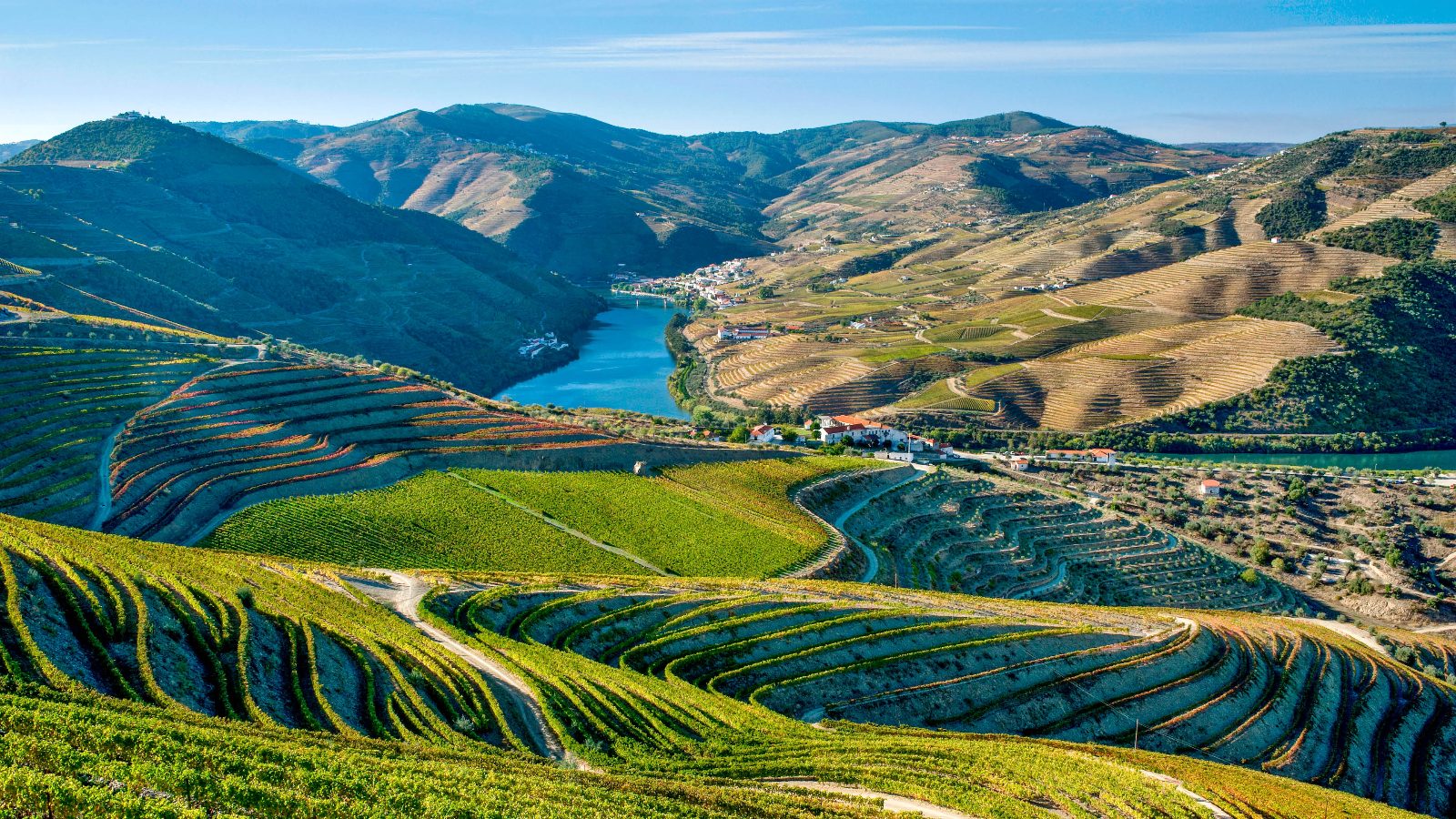
The Douro Valley's schist terraces carry more than 2,000 years of viticulture, yet the region gained formal wine recognition only in the mid-18th century when the Marquis of Pombal established geographic boundaries to protect Port quality. That demarcation made it the planet's oldest appellation system, preceding France's by over a century. Is Portugal known for wine beyond fortified styles? The answer reshaped dramatically after the 1974 Carnation Revolution, when modernization transformed table wine production. Winemakers began isolating indigenous varieties—Portugal cultivates over 250 native grapes—and applying temperature-controlled fermentation to fruit previously destined for bulk blends. Touriga Nacional emerged as the flagship red, yielding structured wines with violet aromatics. Alvarinho from the Vinho Verde region produces crisp whites with Atlantic minerality. The Alentejo plains generate ripe, approachable reds from Aragonês and Trincadeira. The Douro Valley itself spans three sub-zones along the river's 200-kilometer wine corridor. Baixo Corgo near Peso da Régua receives the most rainfall and produces lighter wines. Cima Corgo around Pinhão holds the concentration of premium quintas—historic wine estates—where steep gradients and schist soils yield intense fruit for vintage Port and reserve reds. Douro Superior stretches east toward the Spanish border, where extreme heat and sparse rainfall create powerful, extracted wines. Visitors access the valley through Porto, where centuries-old Port lodges line Vila Nova de Gaia's riverfront. The cellars store oak casks and vintage bottles in granite caves, maintaining the cool humidity that aged tawny and vintage Ports require. Upriver, quintas open tasting rooms and overnight accommodation between March and November. Harvest occurs in September, when foot-treading in granite lagares remains common practice for premium lots. The Douro wine route connects estates via the N-222 highway, which follows the river's north bank through terraced amphitheaters. Train service from Porto to Pinhão offers a three-hour scenic alternative, with carriages threading tunnels and viaducts above the water. Portuguese wine identity rests on varietal diversity and microclimate range rather than a single flagship style. The Douro exemplifies this breadth, producing everything from late-bottled vintage Port to mineral-driven whites and age-worthy reds within a single UNESCO World Heritage landscape.
“The Douro became the world's first legally demarcated wine region in 1756, predating Bordeaux and Champagne by over a century.”
Why Is Portugal Known for Wine: The Significance of Douro Valley
The Douro Valley holds a foundational position in global viticulture, serving as the source of Portugal's most recognized wine exports. Its unique landscape and history define the country's reputation in the international wine market.
1756 Demarcation
The Douro Valley was established as the world's first officially demarcated wine region in 1756 by the Marquis of Pombal. This act created a legal framework to protect the quality and origin of the region's production.
Port Wine Heritage
The region is the exclusive source of authentic Port wine, a fortified wine developed in the 17th century. The unique microclimate and schist soil allow the grapes to thrive, which are then traditionally transported down the Douro River.
250,000 Hectares
The Douro region covers approximately 250,000 hectares of territory, with the wine-growing area recognized for its dramatic terraced slopes. These stone-walled terraces have been shaped by human labor over centuries to optimize viticulture on steep terrain.
UNESCO World Heritage Status
The Alto Douro Wine Region was designated a UNESCO World Heritage site in 2001. This recognition highlights the long-standing cultural tradition of viticulture that has shaped the landscape and local economy.
Schist Soil Composition
The bedrock of the valley consists primarily of schist, a metamorphic rock that retains heat and allows vine roots to penetrate deep for moisture. This specific geological feature is critical to the maturation of the grapes used in Port production.
Indigenous Grape Varieties
The region maintains a high concentration of indigenous Portuguese grape varieties, such as Touriga Nacional and Tinta Roriz. These grapes are essential for the production of the diverse profiles found in regional red and fortified wines.
The Best Time to Visit When Checking Is Portugal Known for Wine
The optimal time to visit the Douro Valley is during the spring or autumn months, specifically arriving between 08:00–10:00. This early arrival window allows visitors to avoid mid-day heat while ensuring better access to winery tours and river cruises.
September and October
HighMild, 20°C–25°C
The harvest season offers active vineyard landscapes and consistent weather.
April and May
ModeratePleasant, 15°C–22°C
Spring brings blooming flora and comfortable temperatures for outdoor exploration.
Weekday mornings
Low—
Arriving between 08:00–10:00 reduces congestion at popular estates and helps manage thermal exposure.
Verdict: The best time to visit is mid-week during the harvest months of September and October, strictly following the 08:00–10:00 arrival window.
Opening Hours for Regions Where Is Portugal Known for Wine
The Douro Valley is a public region consisting of multiple towns and estates, making the area accessible at all times.
| Monday | 00:00–23:59 | |
|---|---|---|
| Tuesday | 00:00–23:59 | |
| Wednesday | 00:00–23:59 | |
| Thursday | 00:00–23:59 | |
| Friday | 00:00–23:59 | |
| Saturday | 00:00–23:59 | |
| Sunday | 00:00–23:59 |
Entrance Fees and Costs: Is Portugal Known for Wine Affordably?
The Douro Valley is a public region consisting of multiple towns and estates, meaning there is no singular admission fee to enter the area. Costs for individual winery tours and tastings are determined separately by each private estate.
A typical visitor pays 0 EUR for regional entry, with total costs depending solely on the specific wineries or tours selected.
Getting to the Heart of Where Is Portugal Known for Wine
The Douro Valley is located in the Trás-os-Montes e Alto Douro region of Portugal. The most common approach involves traveling from Porto by train or car.
Linha do Douro from Porto Campanhã to Peso da Régua or Pinhão
A4 and A24 motorways from Porto
Rede Expressos from Porto to Peso da Régua
Expert Tips for Visiting When Is Portugal Known for Wine
Navigating the Douro Valley requires strategic coordination to ensure access to private estates and efficient travel between locations.
Book winery visits early
Most private estates in the Douro Valley require advance reservations for tastings and tours, as they cannot accommodate walk-ins. Contact individual quintas directly through their websites at least two weeks before your visit to secure a time slot.
Coordinate private transport
Public transit options are limited between the specific terraced vineyards located off the main roads. Arrange a private driver or organized transfer service to navigate the steep, winding terrain between estates safely.
Verify tasting availability
Many smaller, family-run vineyards limit their tasting rooms to specific days or appointment-only groups. Confirm your booking status via email to avoid arriving at a closed gate.
Use localized navigation apps
Standard map applications may struggle with the precise entrances of remote quintas. Cross-reference the GPS coordinates provided by your host with local signage to ensure you reach the correct estate entrance.
Prioritize estate consolidation
Group your visits by sub-region to minimize travel time on the winding valley roads. Focusing on one specific area per day allows for a more relaxed pace and reduces time spent in transit.
Check availability
Frequently asked questions about is portugal known for wine
Everything you need to know about is portugal known for wine